Norddal and Herdalsaetra
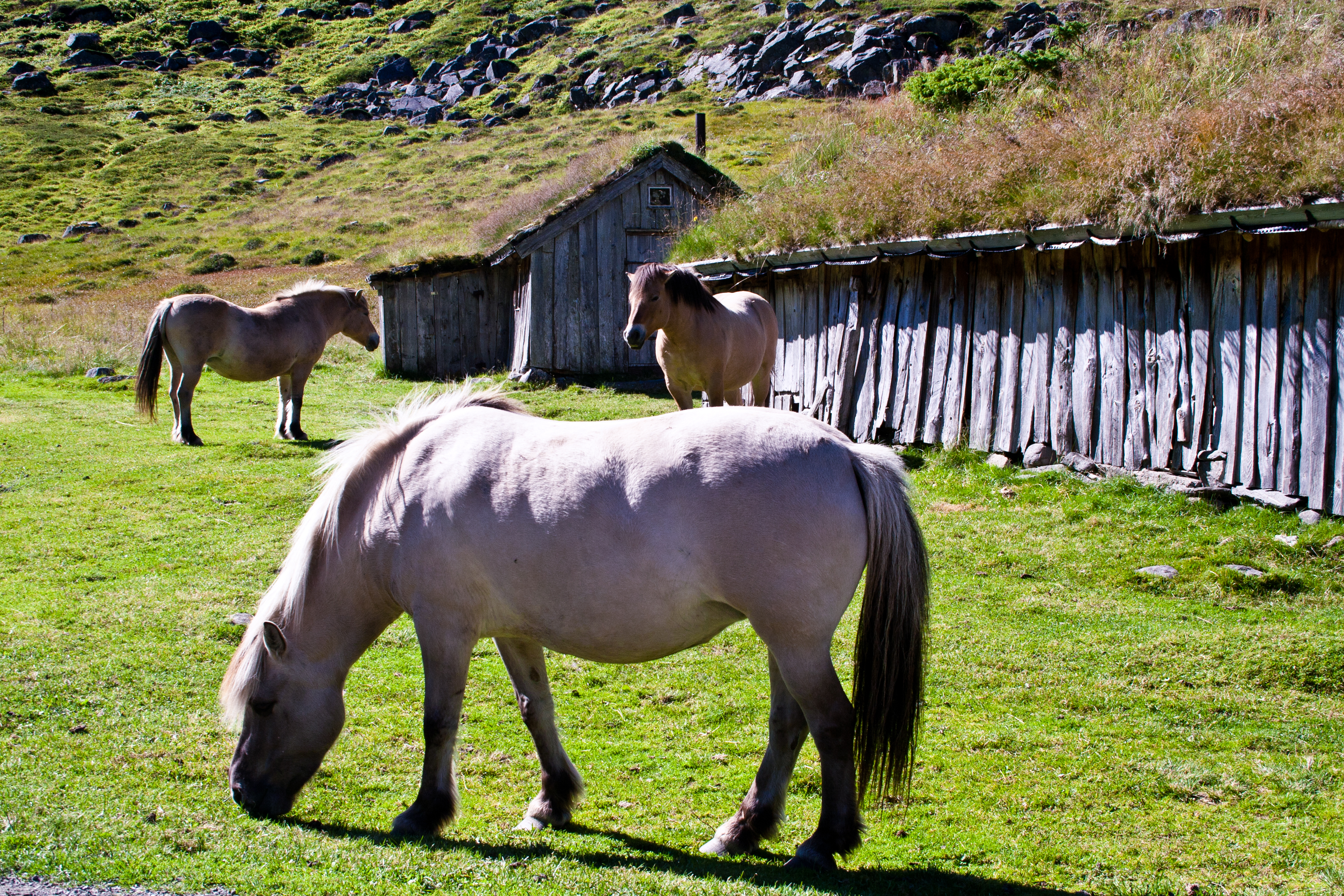
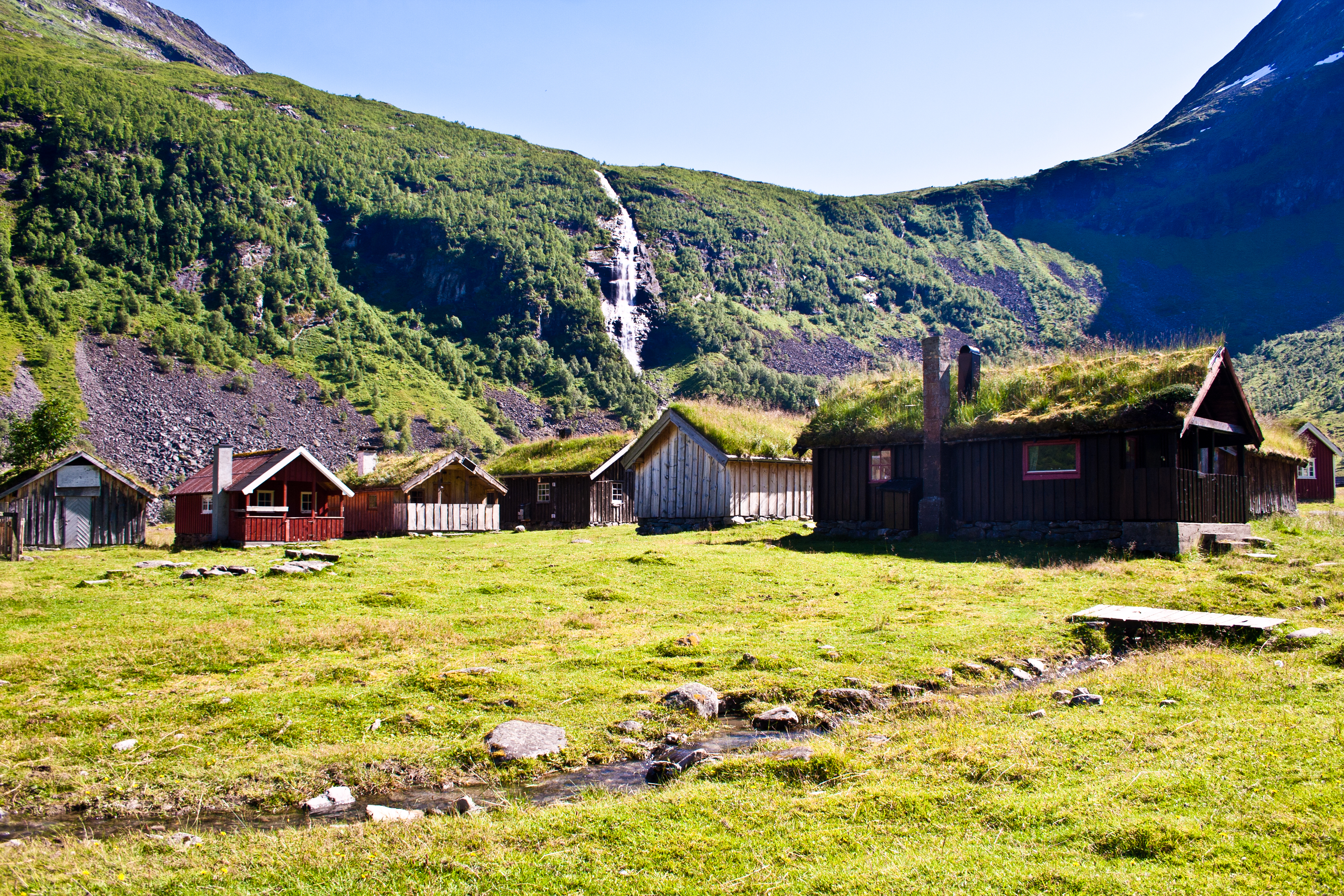
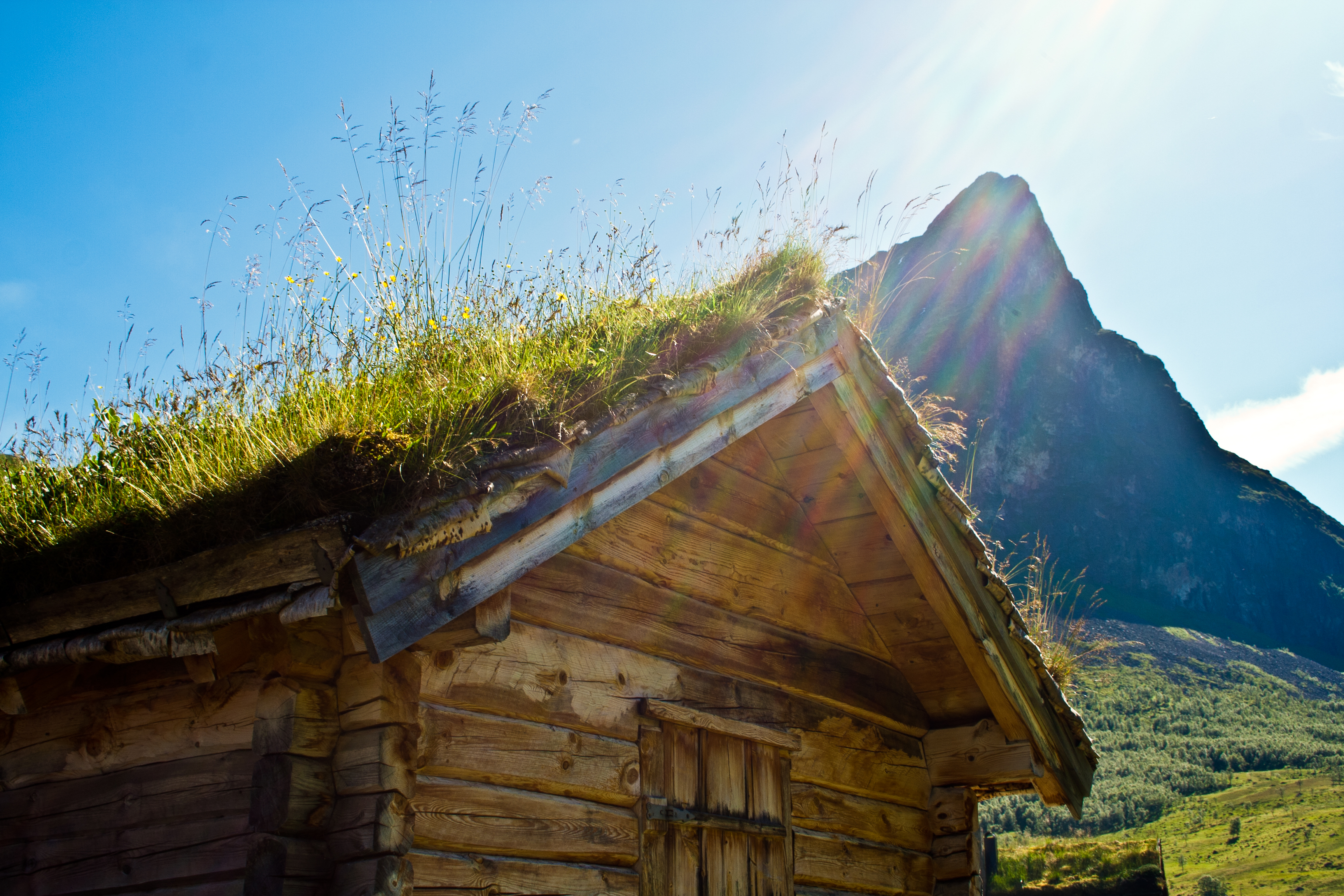
If you are looking for pleasant half day tour from Geiranger, consider moving on to the neighbouring town of Eidsdal and from there visiting the village of Norddal and the summer pasture of Herdal. Head to the Eagle Road, leave Geiranger and cross the municipality border. Before reaching the center of Eidsdal you will pass Indreeide, on the shores of a small lake, starting point of a few trekking trails. From Eidsdal head towards Norddal, a very small village where people live mostly on farming. The picture-perfect boat houses line the shore just opposite the church. After a stroll along the small beach, take the only road of the village and continue to the end of it. You will reach a cattle fence that opens on a gravel road, at the end of which lies the summer pasture of Herdal. First inhabited during the Viking times, Herdalsetra is still in function today during the short summer months. The farmers bring the cattle up there when the weather allows at the beginning of summer, and let it free to roam and get plenty of fresh air and grass. Discover more about summer pastures in the area here.
Hellesylt and Stranda
The village of Hellesylt lies at the other end of the Geirangerfjord; very close to Geiranger if reached by water, a lot less close when reached by land. Despite being less popular than Geiranger, Hellesylt still deserves attention. A short stroll in the tiny center brings you among old wooden buildings to the highlight of the village, the magnificent waterfall. Among the buildings the Grand Hotel certainly deserves a mention, as well as the Hægstad Gård with its wood carvings . A few nice outlooks can be reached by gaining height behind the center and by heading in the direction of Stranda. Being head of the municipality, Stranda is a much larger town when compared to Hellesylt, hosting a large number of shops and services. The main attraction is the mountain called Strandafjellet, a paradise for skiers and snowborders who can enjoy a spectacular view from the slopes. In summer you can still take a ride on the gondola which will bring you to the top, and just relax and enjoy some fine food looking down at the Storfjord. The view allows you to clearly see the Storfjord splitting into two branches, one of them leading towards Geiranger.
Alesund and its islands
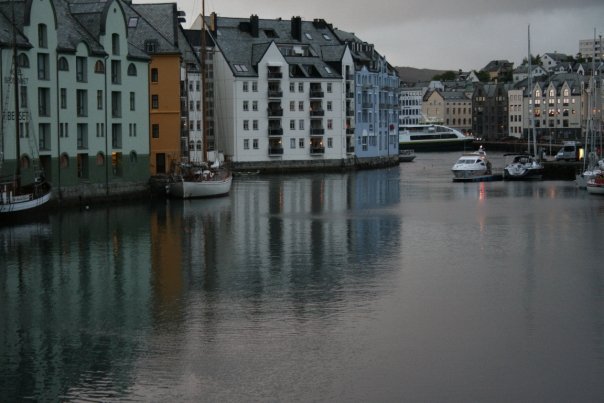
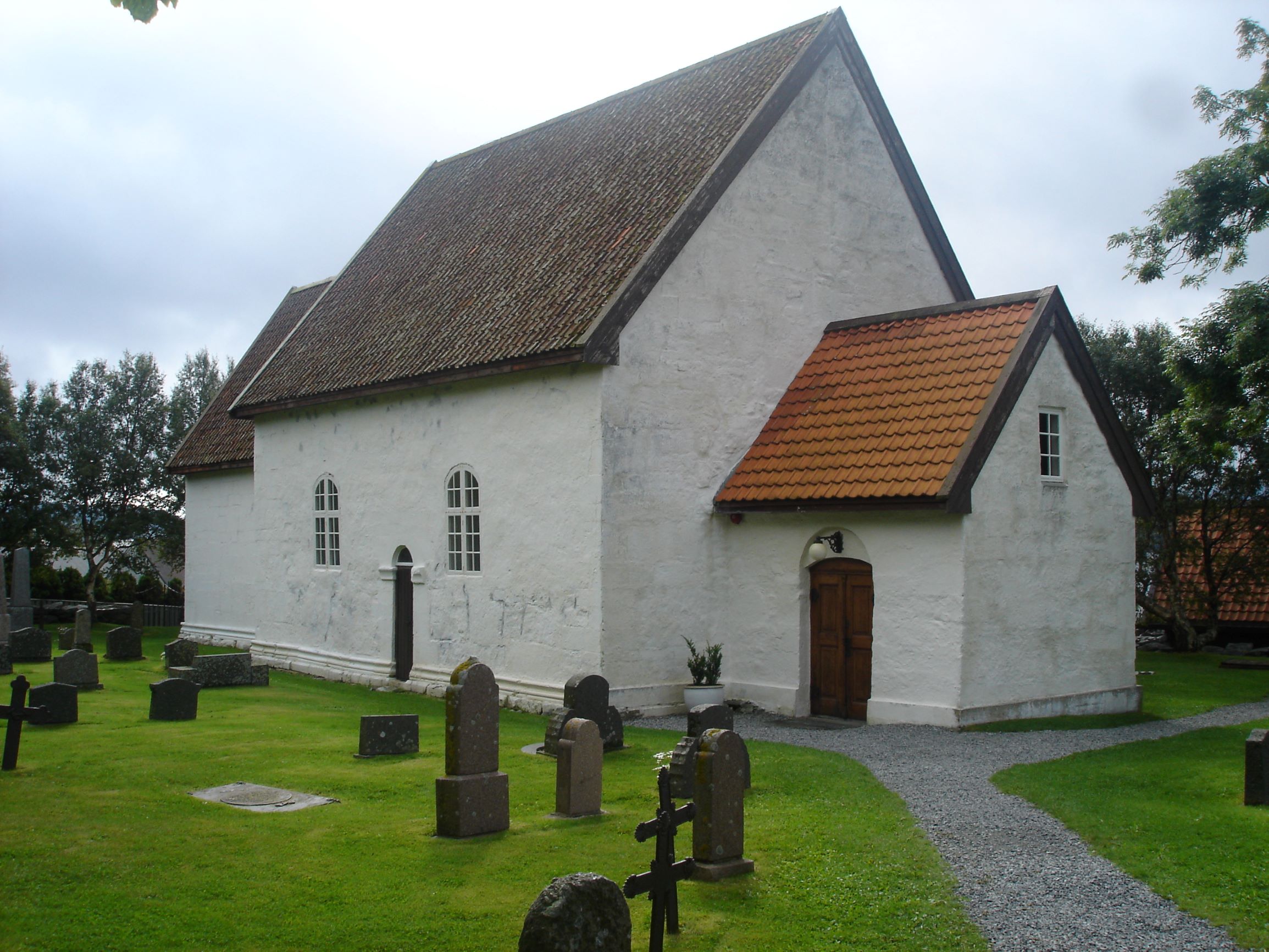
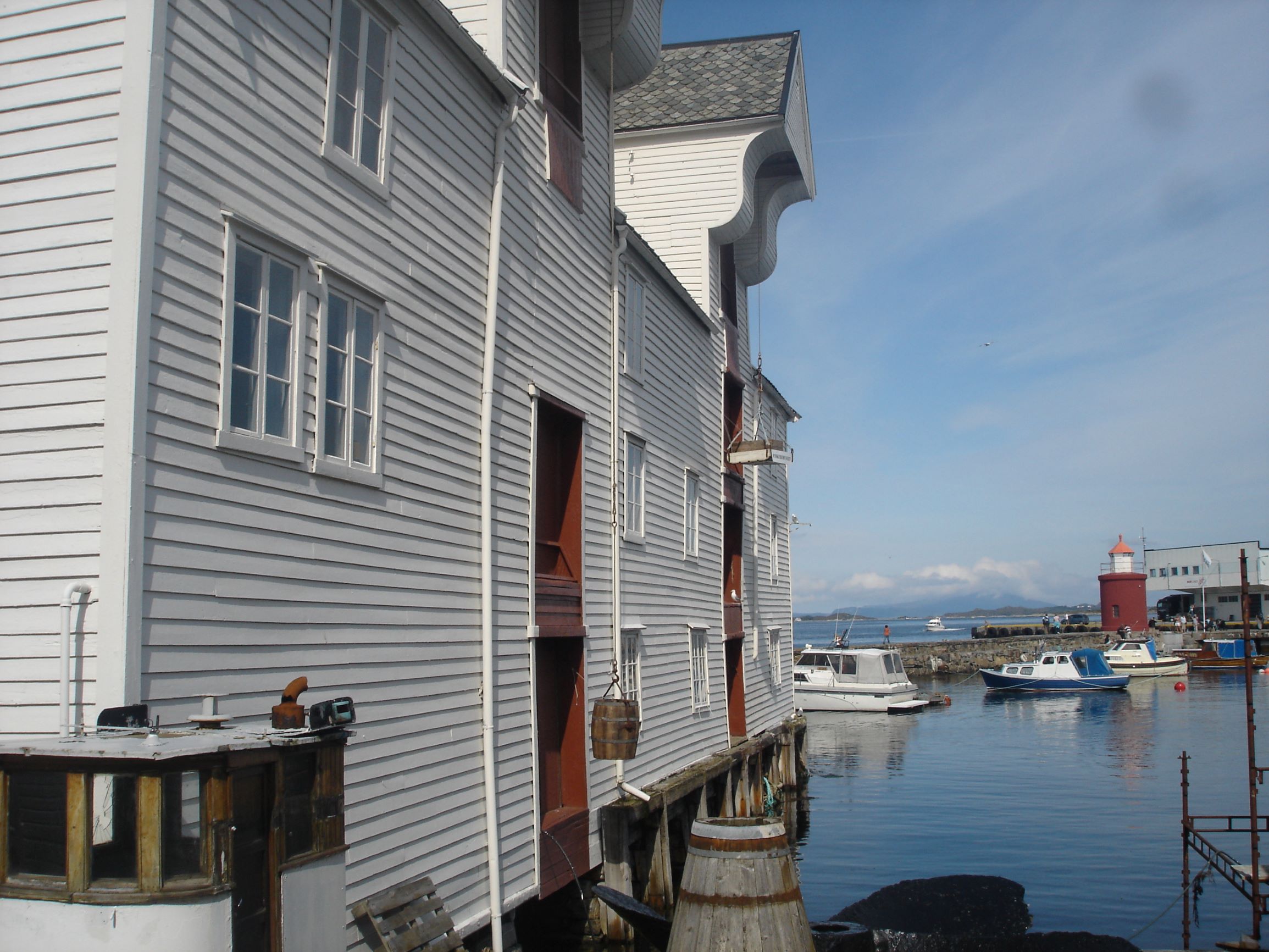
Worldwide famous thanks to its peculiar architecture, Alesund is a fantastic little city and a mandatory stop if you are in the area. All the major points of interest can easily be reached by foot, including a visit to the viewpoint Aksla by means of xxx stone steps. From Aksla the whole city center lies before you, and the view opens up towards the Atlantic Ocean, spotted by the nearby islands. In the center don’t miss the opportunity to discover the history of the city in the Jugendstil Museum, where you will understand why the city looks the way it does. The Fisheries Museum is also very interesting, explaining the importance of the city in the history of the fishing industry, especially linked to codfish. A few islands worth visiting around Alesund are Giske, Godoya and Runde. The first two are connected to the city by a series of underwater tunnels and bridges, while the latter can be reached by ferry. Middle ages historical sites, a lighthouse overlooking a wild oceanic beach and sea-puffins nests are waiting for you!
Trollstigen and Raumadalen
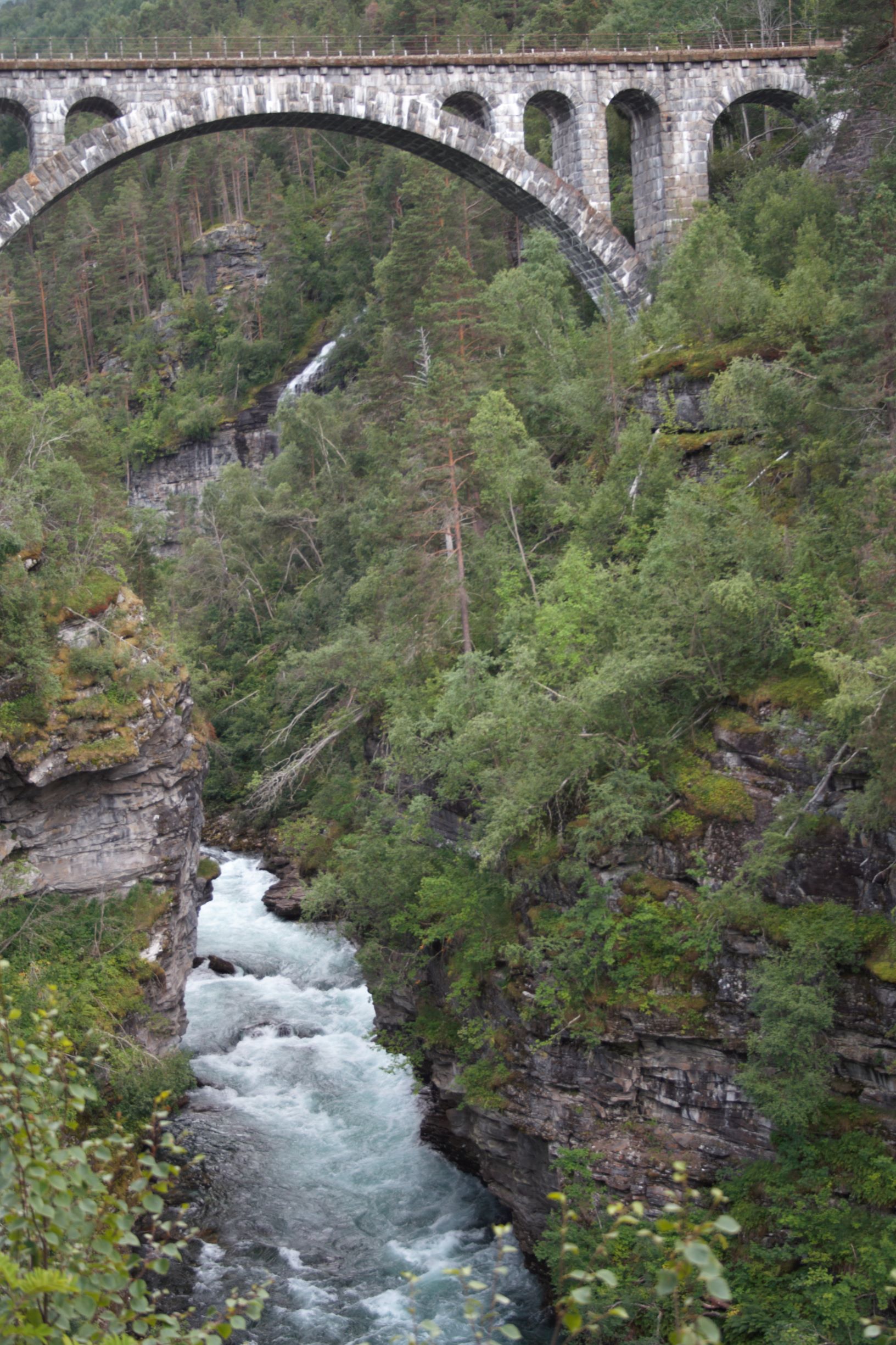
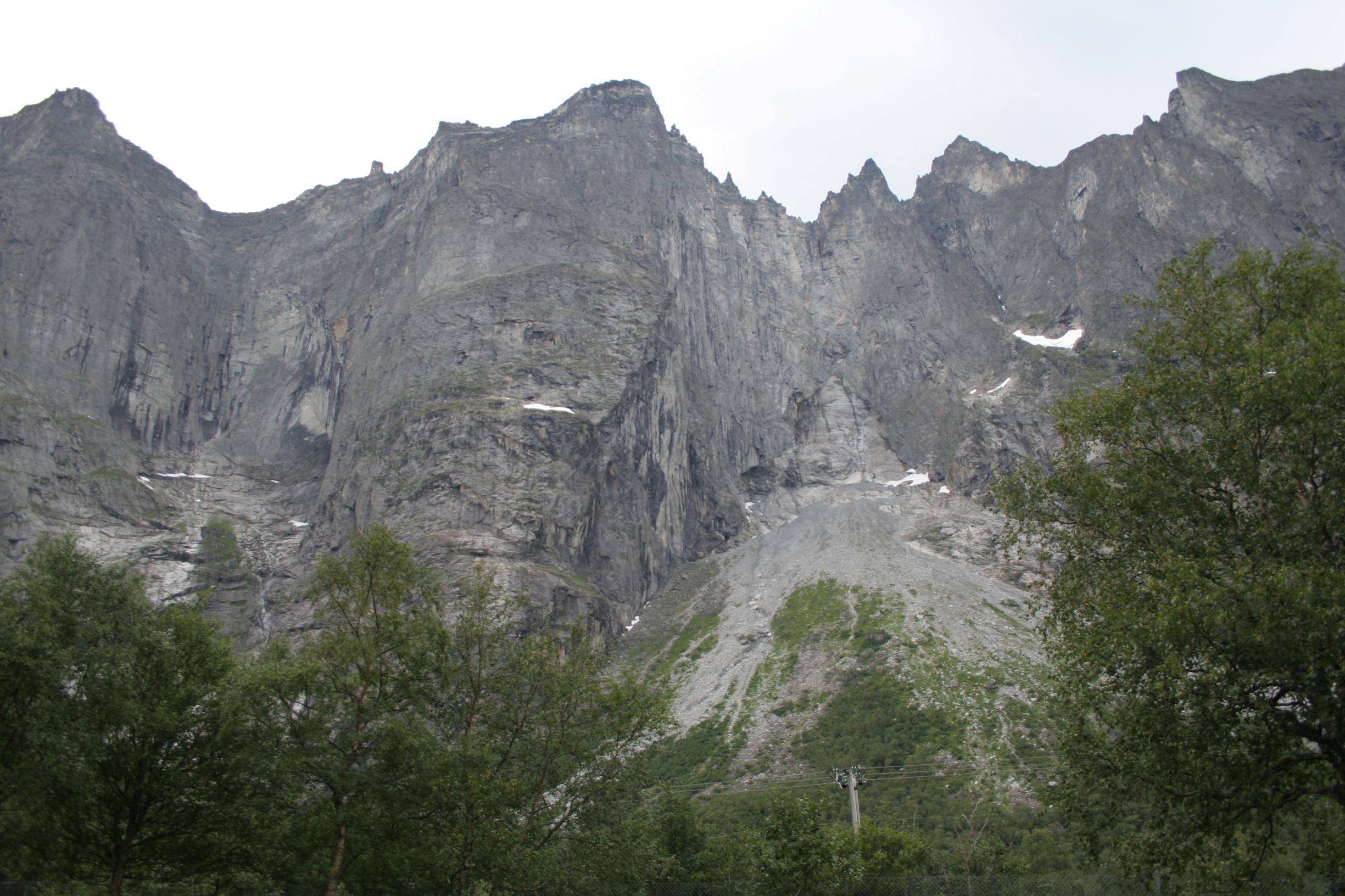
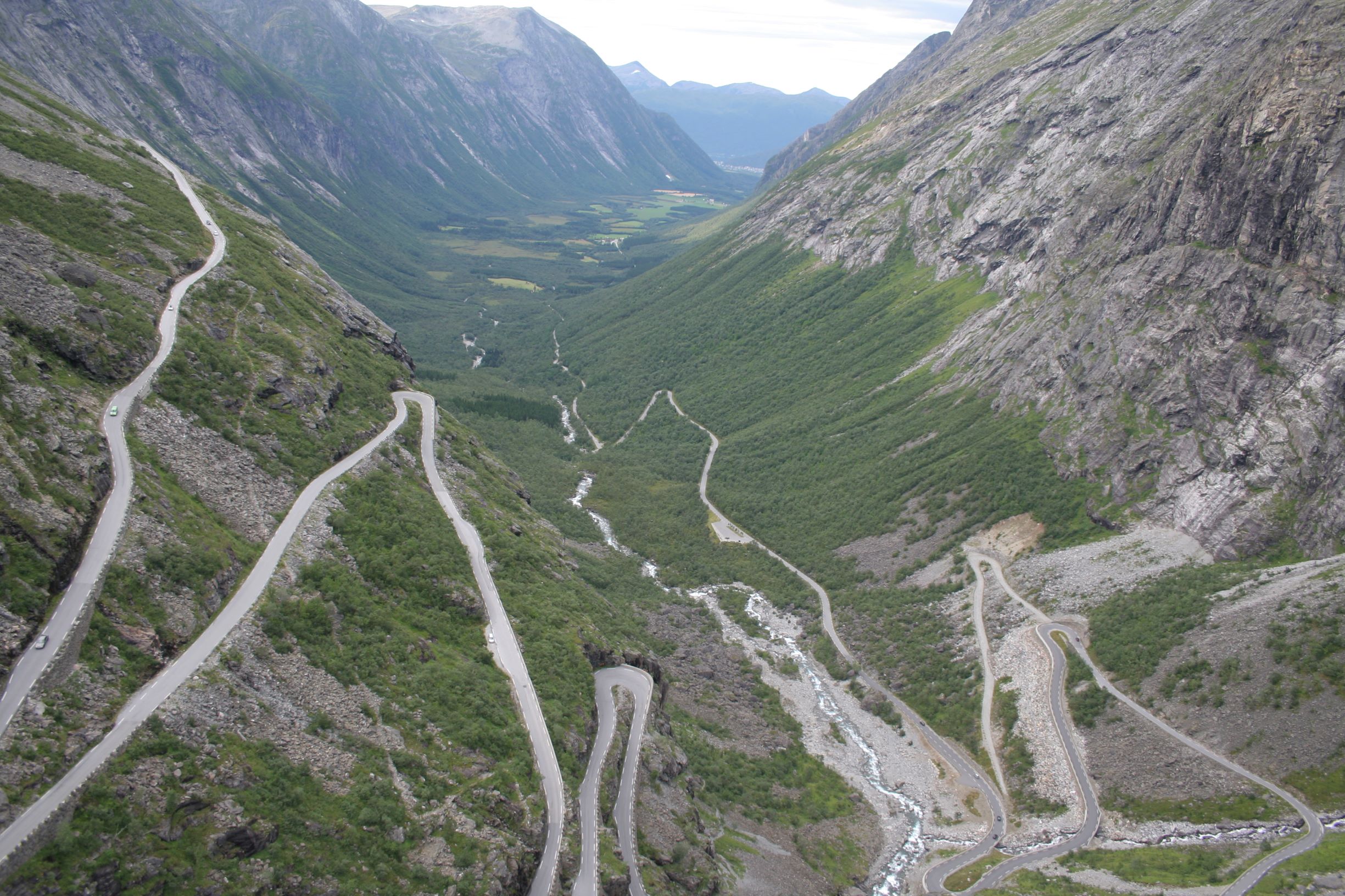
The Trollstigen Road is one of the national panoramic roads of Norway, together with the Geiranger Road, and driving through it is amazing experience, if you are not afraid of extremely sharp and steep hairpin bends. From Geiranger reach Eidsdal and cross the fjord by ferry, then head towards Valldal, a little town famous for its strawberries. If time allows, you can take a detour to the Tafjord dam and the Tafjord power station and museum. On the way to the famous Trosstigen pass you can stop at Gudbransjuvet, a narrow and deep gorge that you can admire from a viewing platform system. The road climbs gently until reaching the Trollstigen pass, from where it drops abruptly in a series of serpentines down the valley. The view from atop is simply astonishing. Once you reach the valley, take a walk around the tiny town of Andalnes, well-known as a strategic point during WWII. You can then embark on a scenic train ride on the Raumabanen to Bjorli station, passing through a 2,149 ft elevation drop, and admire the fantastic Romsdalen valley with its river known for salmon fishing. Anther sightseeing point not to be missed is the worldwide famous Trollveggen, or Troll Wall, the tallest vertical rock face in Europe measuring about 3,600 ft, ambitious goal for many climbers. The city of Andalsnes also hosts the Norsk Tindesenter, the Norwegian Mountaneering Museum, based on the work of the climbing pioneer Arne Randers Heen.
Molde and the Atlantic Road
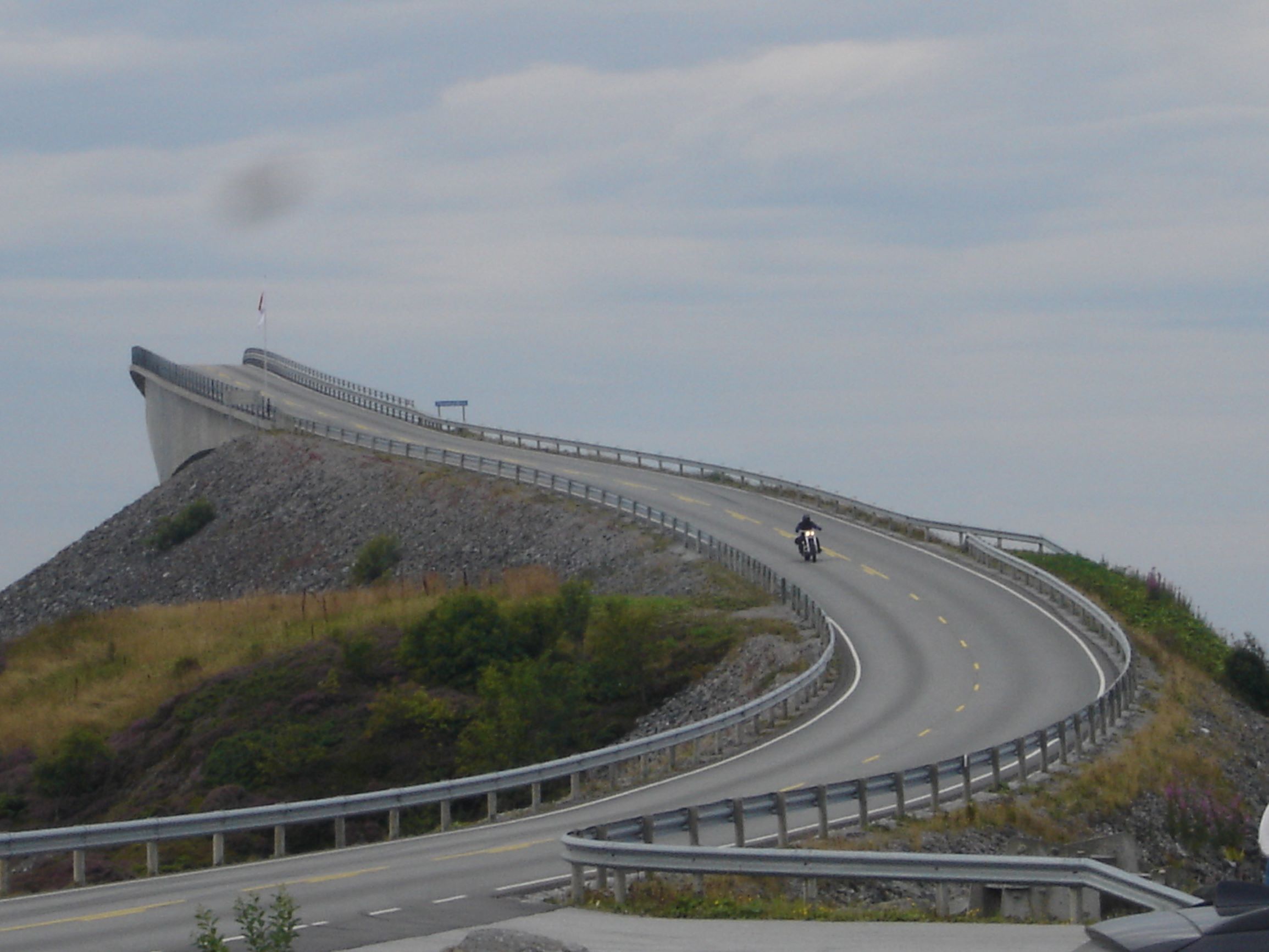
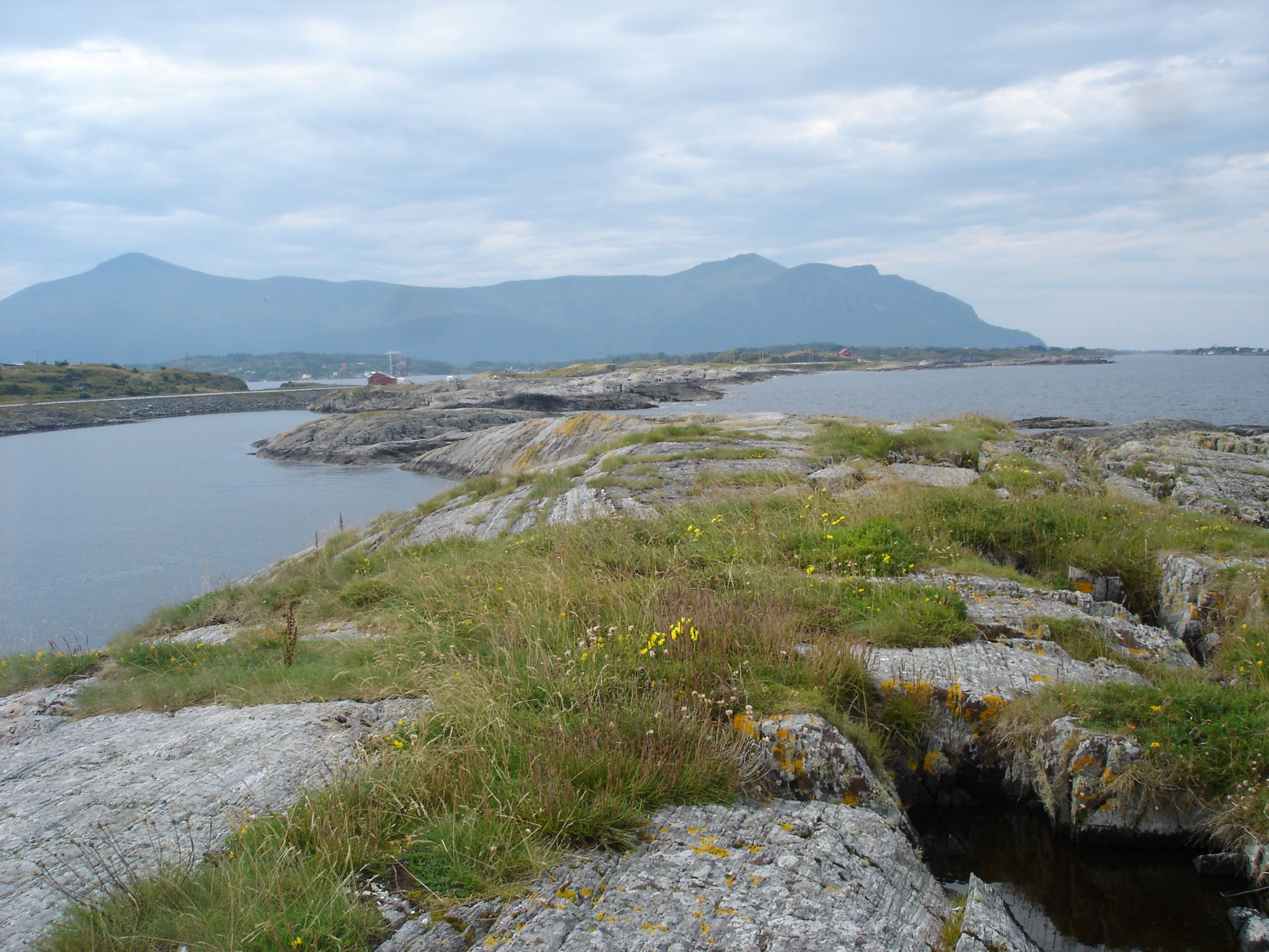
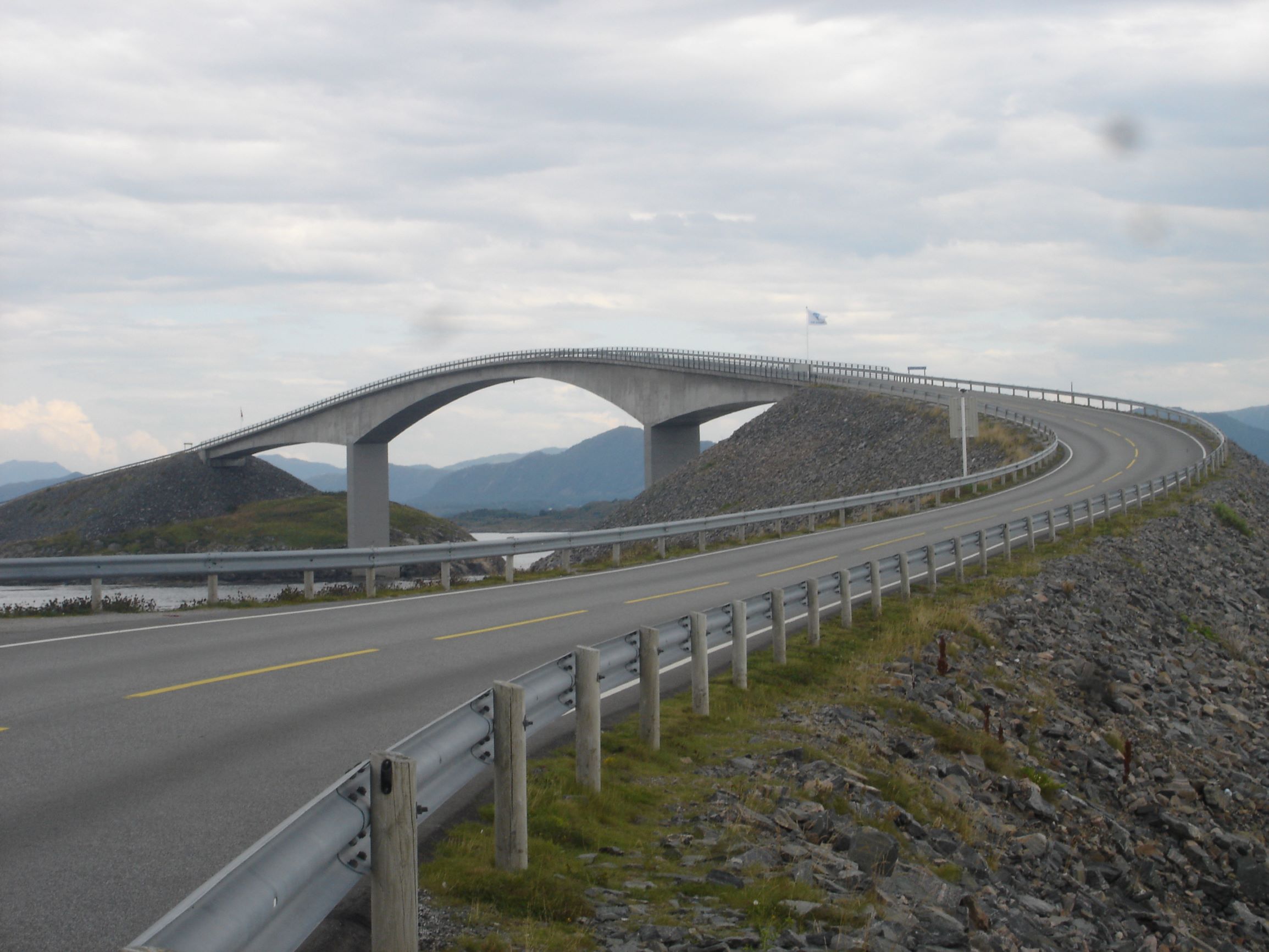
Molde is the administrative center of the county More og Romsdal, where Geiranger is located. Nice little city, in summer it hosts one of the largest and oldest jazz festivals in Europe, with both local and international artists. The Romsdal Museum is on the largest folk museum in Norway, a collection of original building which have been gathered to recreate a typical village of the old days. From the museum it is easy to find a trail that leads to a magnificent panoramic lookout called Varden. The so-called Moldepanorama counts 222 snow-white peaks, which fold in front of you in all their stunning beauty just across the fjord. Leaving Molde behind, prepare for one of the most awestrucking experiences in Norway, a ride along the Atlantic Road. One of the National Panoramic Roads of Norway, it is a 5,2mi long road which connects smaller islands and skerries by means of 8 bridges, the most spectacular being the Storseisundet Bridge. Don’t miss out on the picturesque fishing village of Bud if you are in need of a stop along the way. Close by is also the Atlantic Ocean Tunnel, connecting the municipalities of Kristiansund and Averoy at a depth of 820ft under the seas.
Grotli,Skjaak and Lom
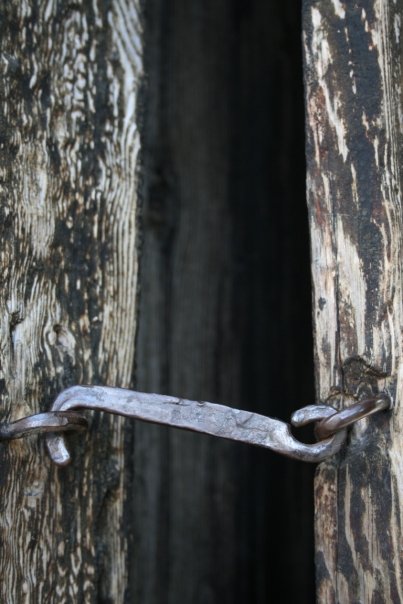
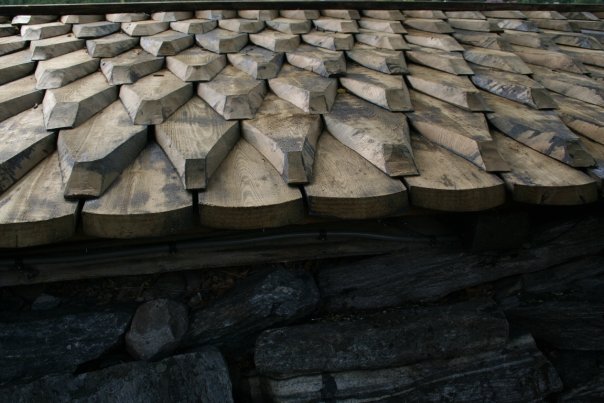
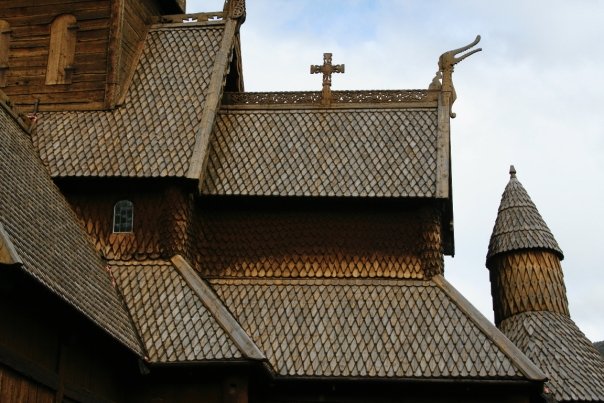
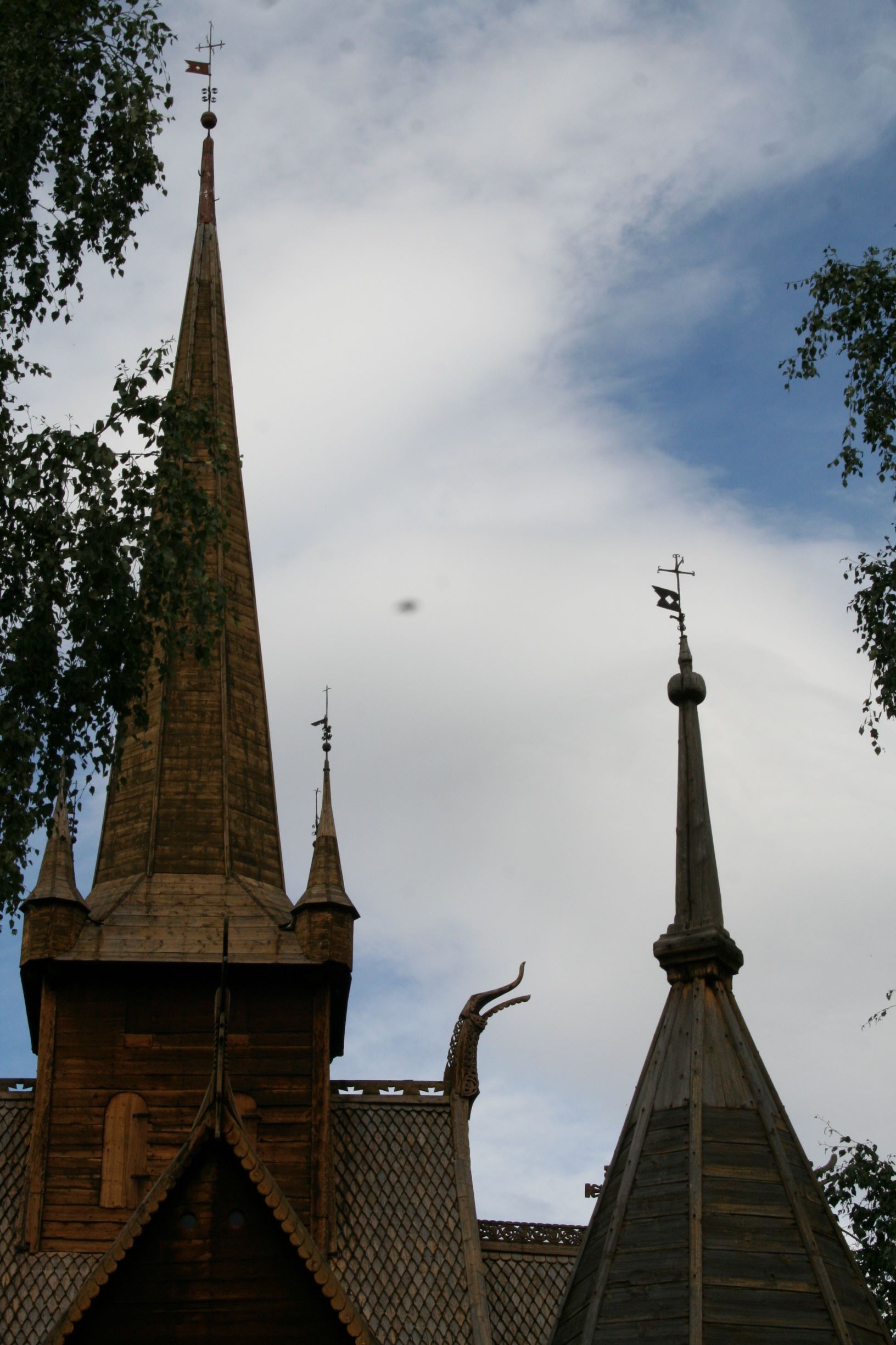
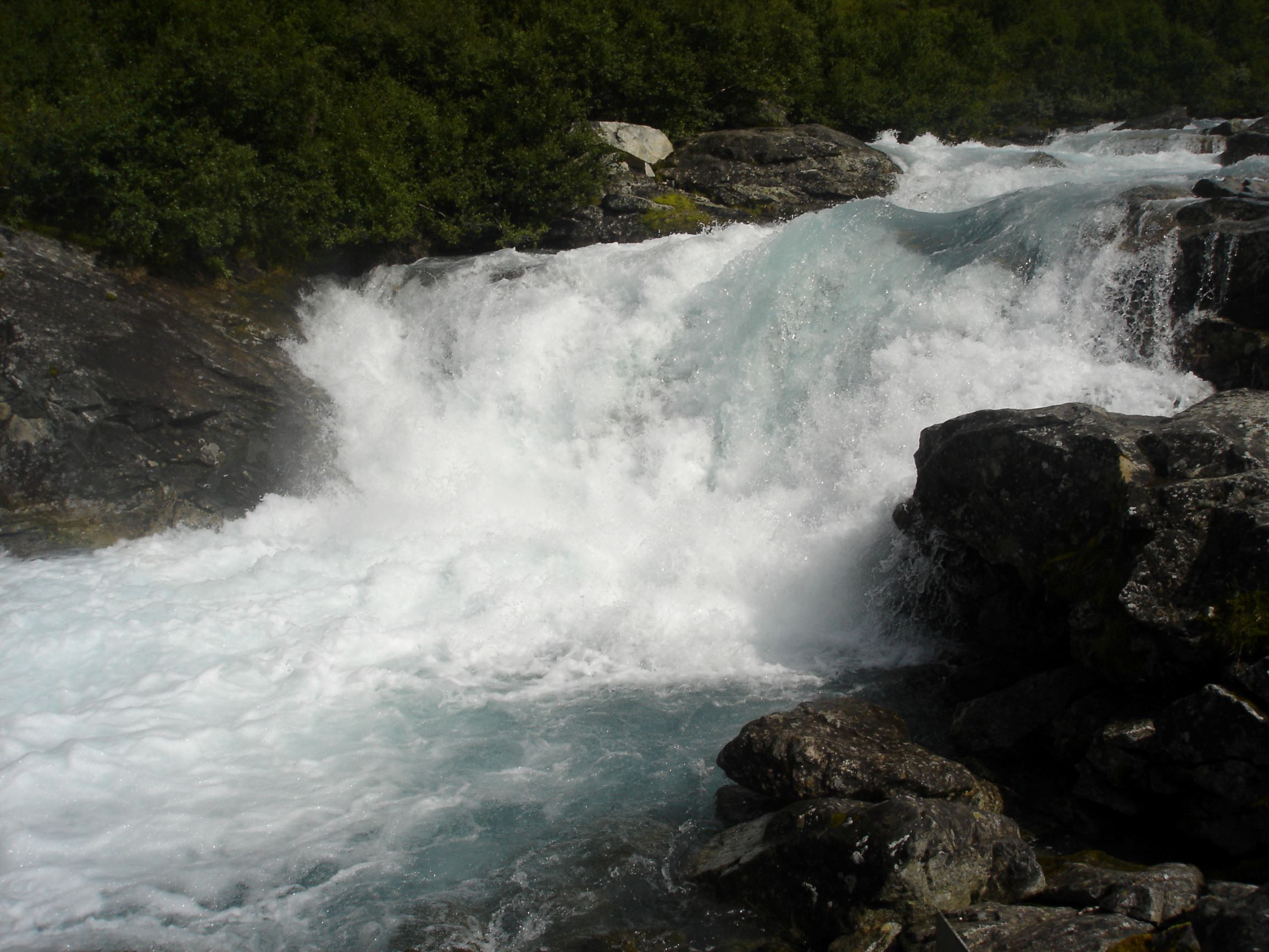
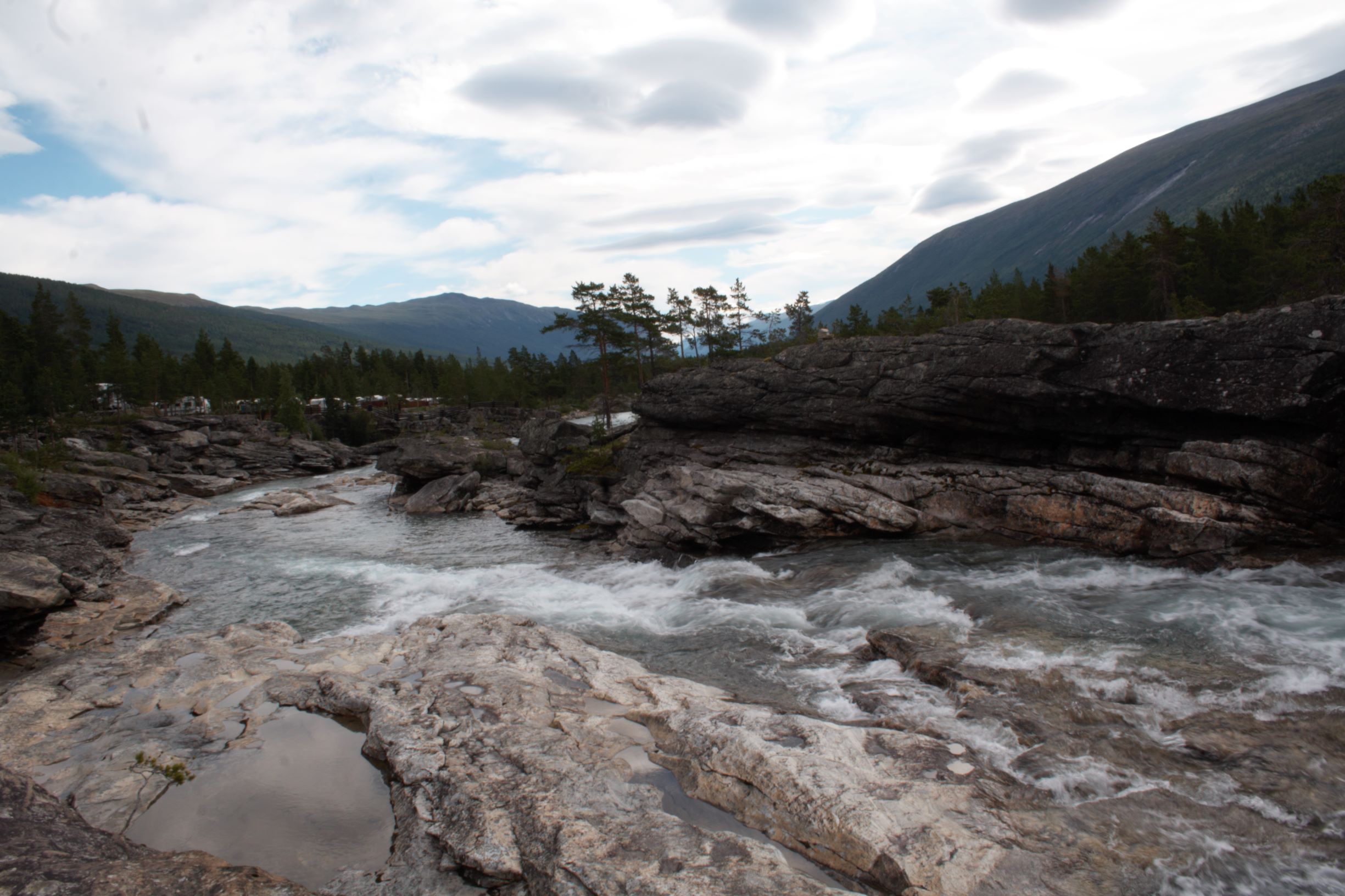
After passing Mount Dalsnibba and Lake Djupvatn, the Geiranger Road continues on and connects with central Norway. The tiny village of Grotli lies along the main road surrounded by the typical landscape of Norway’s interior, a flatland with gentle hills and smooth mountain tops. As you continue your journey towards Lom you will notice the vegetation changing, as the continental climate replaces the mild coastal one. The road follows a river upstream, and before reaching the center of Skjaak you can stop by a bridge and admire its power. Don’t miss the chance to see some of the so-called giants’ cauldrons, perfectly shaped holes carved in the bedrock by the incessant swirling of pebbles. Lom is nice little city, very well known for being the gateway to Jotunheim National Park. From here many reach Mount Galdoppogen top at xxxft, the highest in Norway. The Lom Mountain Museum gives you a nice glimpse on the history of mountaineer in the area. Lom’s highlight is undoubtedly it’s ancient medieval wooden church, called stavkirkje in Norwegian. One of the few left in modern days, its stunning and raw beauty will not easily be forgotten.
The Old Stryn Mountain Road, Lake Hornindal and Hellesylt
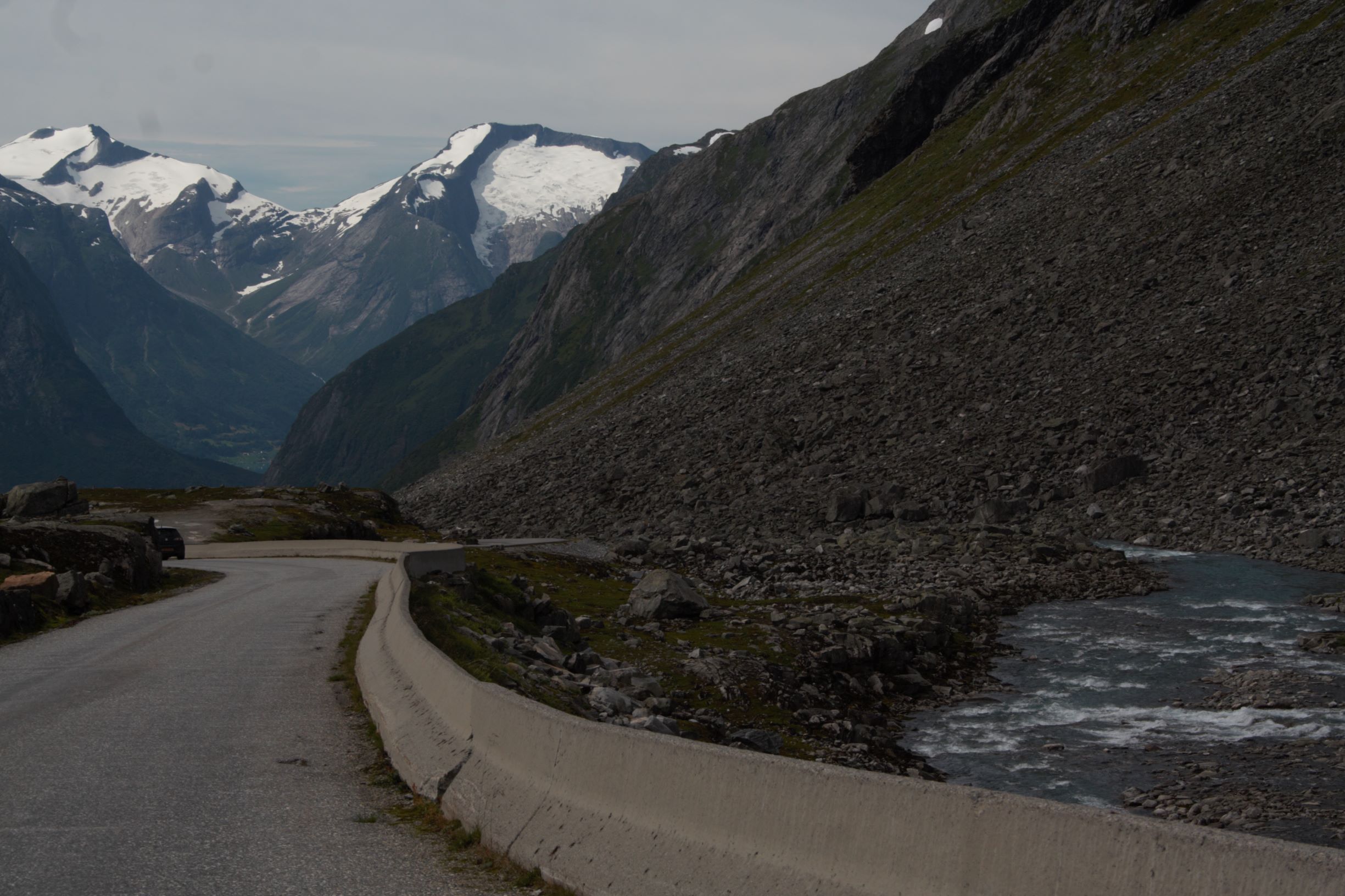
Right passed Djupvatn Lake, follow the road in direction Grotli, and from there leave the paved road and hop on the Old Stryn Mountain Road. As the name implies, it a mountain road used in older times to reach Stryn which, although narrow at points, can still be followed in summer time. The scenery opens on tiny mountain lakes, mostly covered by ice, and snow slopes which are home to reindeer herds. You can take a break by the Summer Ski Center on the Tystigen glacier, and towards the end of the road you will reach Hotel Videseter, a lookout on the valley below. Rejoin the main road and head down towards Stryn, where you can stop on the shores of its lake before reaching the center. Once in town, take a stroll along the river to see the most pictoresque part of the little city, famous for its winter activities. Leave Stryn and the shores of the Nordfjord and head towards Grodas and Lake Hornindal, the deepest lake in Europe at 1,686 ft. Instead of heading back, continue along the road and reach Hellesylt, at the other side of the Geirangerfjord, where you can board the ferry and sail along the fjord until you reach Geiranger.
Olden and the Jostedalsbreen glaciers
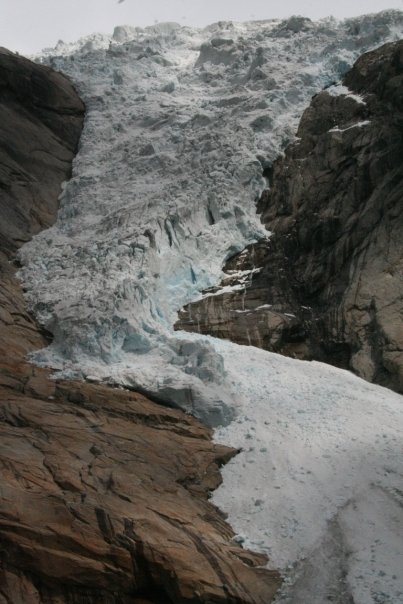
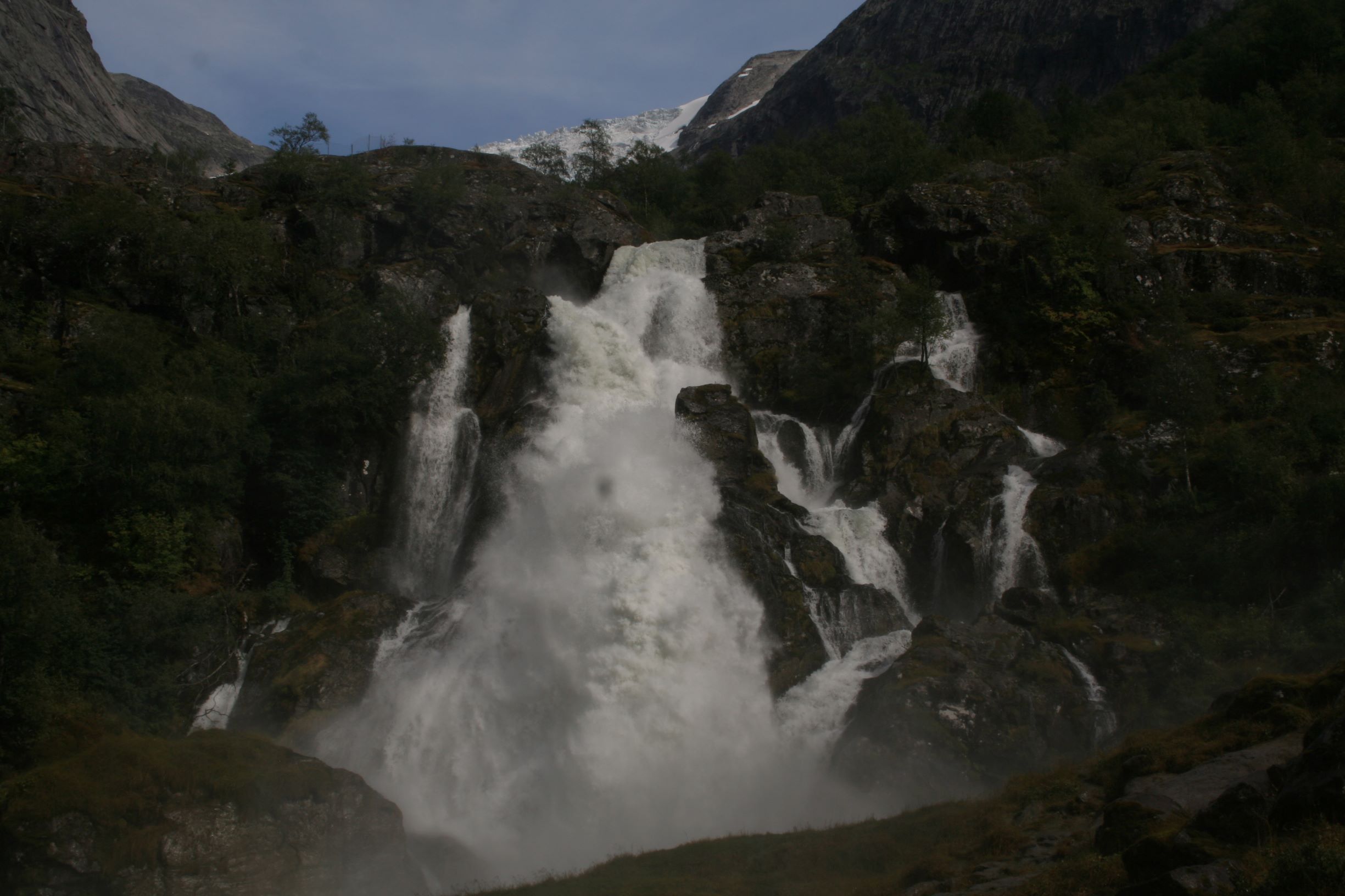
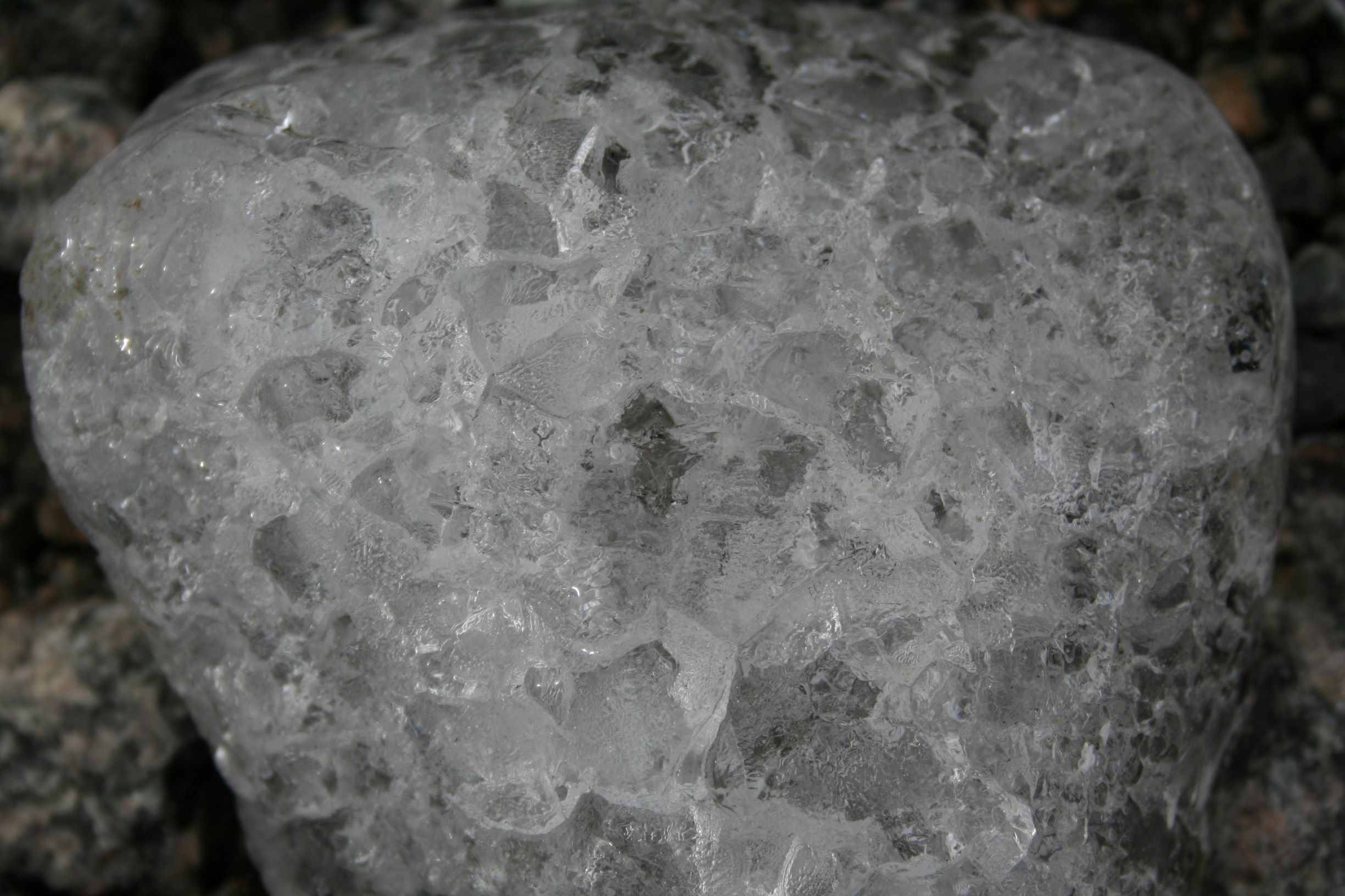
Glaciers are surely a must-see for all tourists visiting Norway, and Olden offers the unique opportunity of having very accessible glaciers arms across its valley. And we are not talking about little glaciers either, but enourmous masses of ice part of the Jostedalsbreen, the largest glacier in continental Europe. There are several options you can choose from once you reach the villages of Loen and Olden, depending on your approach: either embark on a hike and reach on the glaciers by foot, or drive to one of them. One of the most accessible ones is the famous Briksdal Glacier, which can be reached by foot or by means of small cars known as troll-cars. The Kjenndal and Bodal Glaciers are other famous glacier arms. Check around for activities, since some local tour operators offer glacier boat-safari and glacier hiking, or take a ride on a boat on the Loen Lake and admire the magnificent glaciers from below. Before leaving the valley dont’t forget to take a ride on the Loen skylift and enjoy the view from Mount Hoven at 3,317 ft.
 The Geirangerfjord